
Home / Breast & Chest / Breast Reconstruction
Breast Reconstruction Surgery
Breast reconstruction surgery helps restore the shape and appearance of breasts after mastectomy or trauma. Mat Griffiths, a specialist in Essex, offers tailored procedures to suit your needs.
Key Info
-
Duration:
2 - 4 hours -
Anaesthesia:
General anaesthetic -
Admission:
1 overnight stay -
Locations:
Chelmsford, Brentwood
& Colchester
Recovery
- 2 – 4 weeks off work
- No driving for 2 – 3 weeks
- No exercise or vigorous activity for 6 - 8 weeks
- Follow-Up Appointments:
- 1 & 6 weeks
- 3 & 6 months

Potential Risks & Complications of Surgery
Like any surgery, breast reconstruction surgery poses both frequent and infrequent risks for patients.
Frequent: Bruising, swelling, altered breast or nipple sensation, temporary discomfort, scarring
Infrequent: Infection, delayed wound healing, bleeding, implant-related complications (if implants are used), flap failure (in flap reconstruction), asymmetry, poor scarring, and need for further surgery.
the first step of your journey
Let's Get Started
With a Consultation
As the first step of your journey, we like to see every cosmetic patient for a relaxed and personal consultation to discuss all aspects of your procedure.
Fill in and submit our enquiry form to get started.

Or Contact the Mat Griffiths Team Directly:
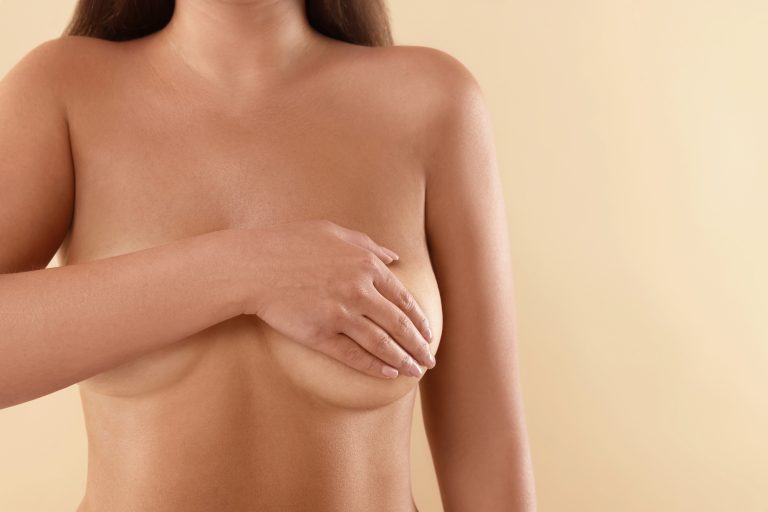
Implant-Based Breast Reconstruction
Implant-based breast reconstruction is a popular option that uses silicone or saline implants to restore breast shape. This method is often less invasive, with shorter recovery times.
Mat Griffiths is experienced in implant-based techniques, ensuring a natural look and feel. Implant surgery can be done immediately after a mastectomy or delayed until later. Mat will guide you through the decision-making process, discussing the pros and cons to determine the best approach for your body and lifestyle. This option is ideal for those seeking a quicker recovery and simpler surgery, providing a straightforward path to achieving your desired outcome.
However, contraindications include those who need/have had radiotherapy, as the post-operative complications are very high. Patients also need to be relatively fit and healthy, with no diabetes and no smoking. Cohesive gel silicone breast implants are very robust devices and work very well for decades in cosmetic and reconstructive cases, but do not last forever and will need later revision surgery.
Breast Reconstruction on Finance
Finance Options Available
Finance options are available at select locations. Please enquire with our team for more information on available plans.
Breast Reconstruction Surgery in Essex
Autologous Based Breast Reconstruction (DIEP/TUG Flaps)
The Deep Inferior Epigastric Artery (DIEP) flap breast reconstruction is a natural, advanced technique that uses your tissue from the lower abdomen to recreate the breast. This method, also known as DIEP flap surgery, involves transplanting skin, fat, and blood vessels without taking muscle, reducing recovery time and preserving abdominal strength.
Importing tissue with a defined blood supply is the most resilient technique in the face of radiotherapy and is often described as the ‘gold standard’ in breast reconstruction. Mat Griffiths is skilled in DIEP flap reconstruction, having been performing these complex cases in both the NHS and private sector for the last 15 years.
This procedure provides a soft, natural feel and can be performed immediately after a mastectomy or at a later stage. It’s a great option if you prefer a more natural reconstruction without implants.
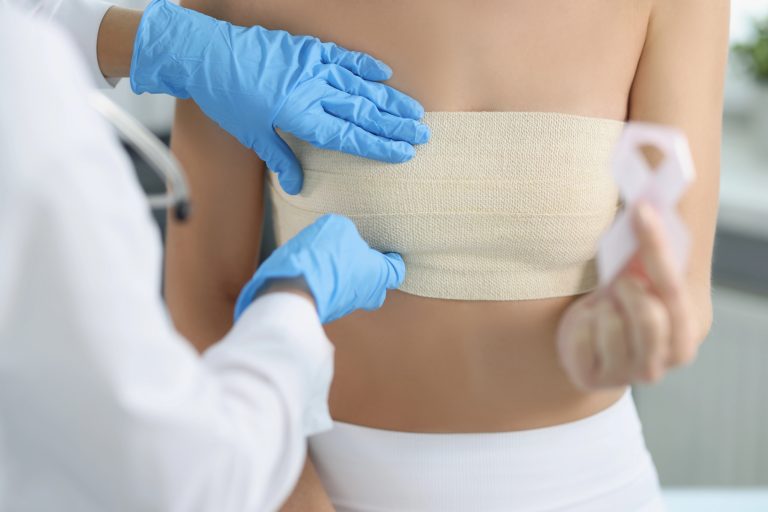
Breast Reconstruction After Cancer: What to Expect
Post-cancer breast reconstruction is a deeply personal journey. Mat Griffiths offers compassionate care, guiding you through each step. From initial consultations to the final result, expect a supportive environment focused on your needs.
Whether you opt for implant-based reconstruction or DIEP flap surgery, Mat ensures each procedure is tailored to your unique situation. Recovery times vary based on the chosen technique.
Mat will provide detailed aftercare instructions and follow-up appointments to monitor your progress.
Breast Reconstruction Advice & Insights


Frequently Asked Questions
We’ve compiled the most frequently asked questions about breast reconstruction and organised them in a single, easy-to-read section.
By providing clear, straightforward answers, we aim to give you the information you need to feel confident and reassured before making any decisions about surgery.
This means less time searching for answers, more time focusing on your goals, and a smoother journey from first consultation to feeling confident in your results.
Are there any risks that come with breast reconstruction surgery?
As with any major surgery, breast reconstruction carries some risks.
These may include bleeding, infection, poor wound healing, fluid build-up, or changes in breast or nipple sensation. In some cases, further surgery may be required to refine the result or address complications.
Mr. Griffiths will discuss all potential risks with you in detail during your consultation and take every precaution to ensure your safety.
How long does the procedure take?
The length of breast reconstruction surgery depends on the technique used. Implant-based reconstruction typically takes 1–2 hours, while reconstruction using your own tissue (such as a DIEP flap) can take 6–8 hours.
Mr. Griffiths will explain which method is best for you and what to expect on the day of surgery.
How long will I be in the hospital?
Hospital stay varies depending on the type of reconstruction. With implants, most patients stay 1–2 nights, while flap-based reconstruction usually requires a longer stay of 4–7 days to allow for close monitoring and recovery.
What is the recovery period after breast reconstruction surgery?
Recovery time depends on the type of reconstruction. Most patients require 4–6 weeks to resume their normal daily activities, although full recovery can take several months.
Heavy lifting and strenuous exercise should be avoided during the early stages of healing. Mr. Griffiths will provide you with tailored advice and a personalised recovery plan to follow.
Do I need regular check-ups after the procedure?
Yes. Follow-up appointments are an essential part of recovery, ensuring you are healing well and the reconstruction is progressing as expected.
These typically take place in the weeks and months after surgery, with annual check-ups recommended long-term to monitor the health of your breasts and implants (if used).
Contact the
Mat Griffiths Team
If you have a general question or enquiry about our services, please contact our team directly.