
Home / Body Contouring / Liposuction
Liposuction
Liposuction surgery is a cosmetic procedure designed to remove stubborn fat that doesn’t respond to diet and exercise. It’s an effective way to achieve a more contoured and balanced body shape.
Key Info
-
Duration:
1 - 2 hours -
Anaesthesia:
Local or general anaesthetic -
Admission:
Day case or overnight -
Locations:
Chelmsford, Brentwood
& Colchester
Recovery
- 1 week off work
- No driving for 3 - 5 days
- No exercise or vigorous activity for 4 - 6 weeks
- Follow-Up Appointments:
- 1 & 6 weeks
- 3 & 6 months

Potential Risks & Complications of Surgery
Like any surgery, the liposuction procedure poses both frequent and infrequent risks for patients.
Frequent: Bruising, swelling, temporary numbness or altered skin sensation, uneven skin texture.
Infrequent: Infection, delayed healing, bleeding, contour irregularities, asymmetry, seroma, poor skin retraction, need for further treatment.
the first step of your journey
Let's Get Started
With a Consultation
As the first step of your journey, we like to see every cosmetic patient for a relaxed and personal consultation to discuss all aspects of your procedure.
Fill in and submit our enquiry form to get started.

Or Contact the Mat Griffiths Team Directly:
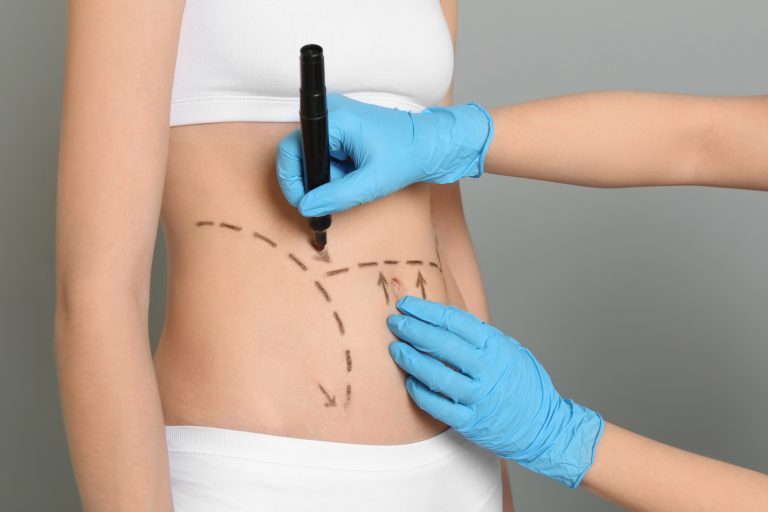
Liposuction Surgery: What to Expect
Liposuction is ideal for removing fat from areas like the thighs, abdomen, buttocks, and flanks. It’s especially useful when fat deposits resist other weight loss methods. Mat Griffiths, a specialist in cosmetic body contouring surgery, offers expert liposuction in Essex, including Brentwood, Chelmsford, and Colchester.
This fat removal surgery is tailored to your unique needs, ensuring results that fit your body shape and goals. While liposuction is not a weight-loss solution, it is a powerful tool for refining body contours and enhancing confidence.
Recovery is straightforward, with most patients returning to their usual activities within a week or two.
Liposuction Surgery on Finance
Finance Options Available
Finance options are available at select locations. Please enquire with our team for more information on available plans.
Liposuction (Fat Removal) Surgery in Essex
What Happens During Liposuction Surgery?
Liposuction surgery typically takes place under general anaesthetic, though smaller areas can sometimes be treated with local anaesthetic.
Small incisions are made in discreet areas, through which excess fat is carefully removed. The incisions are closed with fine sutures, leaving minimal scarring.
Post-surgery, patients wear an elasticated garment to minimise swelling and support healing. The procedure is usually a day case, but larger or multiple areas may require an overnight hospital stay. Results are gradual, becoming more noticeable as the body heals.
Frequently Asked Questions
We’ve compiled the most frequently asked questions around liposuction and organised them in a single, easy-to-read section.
By providing clear, straightforward answers, we aim to give you the information you need to feel confident and reassured before making any decisions about surgery.
This means less time searching for answers, more time focusing on your goals, and a smoother journey from first consultation to feeling confident in your results.
What are the complications of liposuction surgery?
Like any surgical procedure, liposuction carries some risks. Possible complications include bleeding, haematoma (a collection of blood under the skin), seroma (fluid build-up), or temporary changes in skin sensation.
Some patients may also experience asymmetry or mild skin rippling in the treated area. Fortunately, serious complications are rare, and it is unusual for patients to require revision surgery after liposuction.
What areas of the body are suitable for liposuction?
Liposuction can be used to target areas where stubborn fat tends to accumulate and is difficult to reduce through diet and exercise alone. Common areas include the abdomen, hips, thighs, buttocks, arms, back, and neck.
Mr. Griffiths will advise you on which areas are most suitable, taking into account your body shape and goals.
Who is a suitable candidate for liposuction?
The best candidates for liposuction are people who are in good overall health, are at or near their ideal body weight, and have localised areas of stubborn fat that don’t respond to lifestyle changes.
Liposuction is not a weight-loss procedure but rather a body-contouring treatment. Candidates should also have realistic expectations about the results.
What is the recovery time after liposuction surgery?
Most patients can return to work and light activities within 1–2 weeks, depending on the extent of the procedure.
Bruising and swelling are normal and may take several weeks to settle. You will need to wear a supportive compression garment for several weeks to help reduce swelling and support the healing process.
Strenuous activity and heavy exercise should be avoided for approximately 6 weeks, with final results becoming visible once the swelling has fully subsided.
Contact the
Mat Griffiths Team
If you have a general question or enquiry about our services, please contact our team directly.