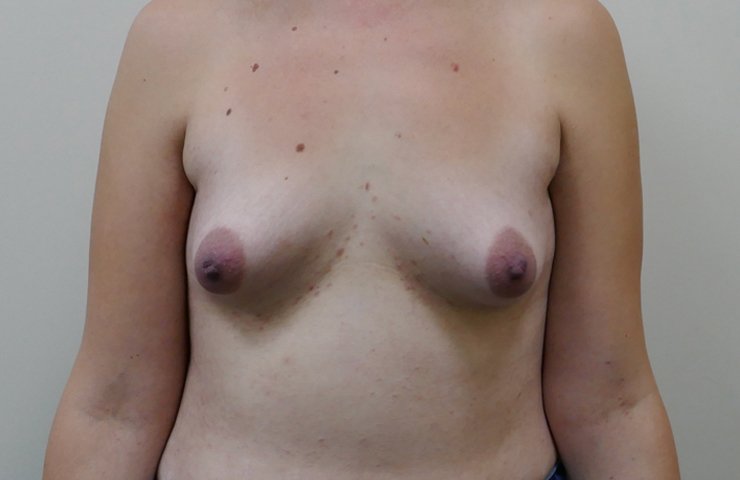
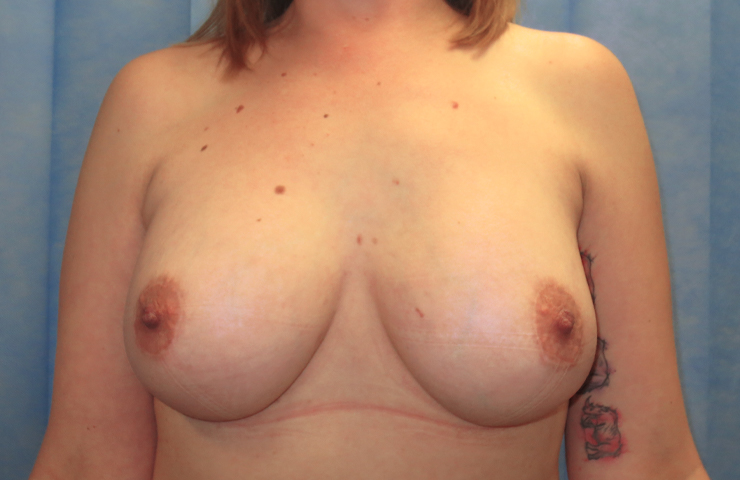
Tubular breast surgery offers a solution for those with tubular or tuberous breasts, addressing concerns like uneven shape and volume, and restoring a more natural look.
Like any surgery, the tubular breast surgery procedure poses both frequent and infrequent risks for patients.
Frequent: Bruising, swelling, altered breast or nipple sensation, minor asymmetry
Infrequent: Infection, delayed wound healing, bleeding, poor scarring, implant-related complications (if implants are used), incomplete correction (may require further surgery)
the first step of your journey
Let's Get Started With a Consultation
As the first step of your journey, we like to see every cosmetic patient for a relaxed and personal consultation to discuss all aspects of your procedure.
Fill in and submit our enquiry form to get started.
Tuberous breast correction surgery aims to reshape and balance the breasts for a more natural appearance. Each patient’s needs are unique, and the approach will vary based on the severity of the condition and personal preferences.
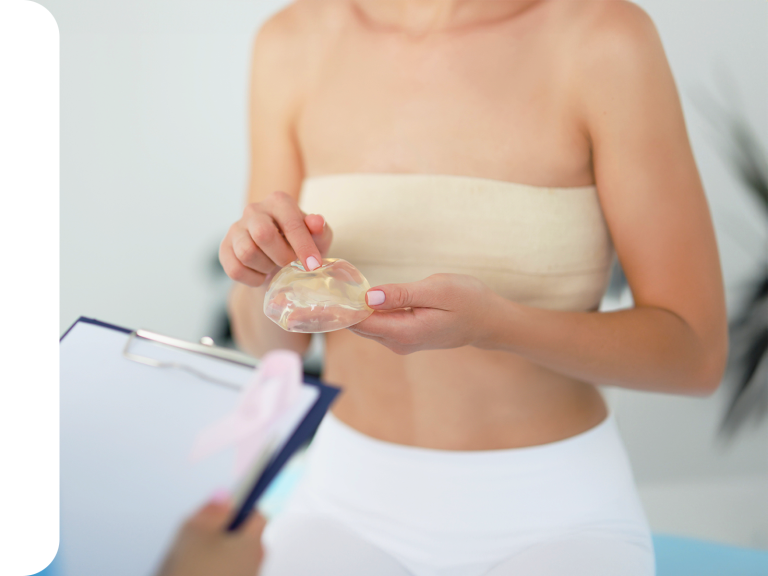
During your consultation, Mat Griffiths will discuss your goals and develop a tailored plan. Techniques can include tissue expansion, breast implants, or a lift, depending on what best suits your body.
The goal is to enhance your natural shape while boosting your confidence. Surgery usually lasts 1 to 2.5 hours and is performed under general anaesthetic, ensuring a safe and comfortable experience.
Tubular Breast Surgery on Finance
Finance Options Available
Finance options are available at select locations. Please enquire with our team for more information on available plans.
What Happens During Tubular Breast Correction Surgery?
During tubular breast correction surgery, Mat Griffiths uses precise techniques to address the specific characteristics of tuberous breasts. The procedure typically involves making incisions to access the breast tissue and then reshaping or adding volume as needed.
If implants are used, they will be carefully placed to achieve the desired look. The surgery helps to release constricted tissue and reshape the breasts, creating a rounder, more balanced appearance.
After surgery, incisions are closed with stitches, and patients are fitted with compression garments to support healing. Most patients can return to their regular activities within a week, with full recovery expected over a few weeks.
After Surgery
Frequently Asked Questions
We’ve compiled the most frequently asked questions about tubular breast surgery and organised them in a single, easy-to-read section.
By providing clear, straightforward answers, we aim to give you the information you need to feel confident and reassured before making any decisions about surgery.
This means less time searching for answers, more time focusing on your goals, and a smoother journey from first consultation to feeling confident in your results.
What are tubular breasts?
Tubular breasts are a developmental condition where the breast tissue doesn’t form in the typical way during puberty.
This can lead to differences such as a wider gap between the breasts, enlarged or darker areolas, or nipples that appear constricted.
While tubular breasts are not a medical concern, they can affect the shape of the breasts and sometimes cause self-consciousness.
Is tubular breast surgery the same as breast augmentation?
While both procedures can use implants, they serve different purposes.
Breast augmentation is primarily designed to increase size and enhance overall volume, whereas tubular breast surgery focuses on correcting the shape of the breasts to achieve a more natural appearance.
What procedures are commonly performed during tubular breast surgery?
The exact procedure will depend on your individual needs and goals. Options may include breast implants to improve size and shape, a breast or nipple lift to enhance position, or a breast reduction if there is excess tissue.
Mr. Griffiths will discuss your concerns in detail during your consultation and recommend the most suitable approach for you.
What is the recovery period after tubular breast surgery?
Recovery times vary from person to person, but most patients need about 2 weeks off work to rest and heal. Driving and strenuous activity should be avoided during this time.
A supportive bra is usually worn for around 6 weeks to help the breasts settle into their new shape, and heavy exercise should be avoided until then. Full recovery and final results typically develop over the following 3–6 months.